 הזדהות מורה / תלמיד משרד החינוך
 Whoa!
Okay, so check this out—I've used Solana wallets for years, and Phantom is the extension I return to most often. I'm biased, but it just feels smoother than a lot of alternatives. Initially I thought all wallets were basically the same, though actually after a few blunders and a couple of frantic nights troubleshooting transactions I realized that UX, security cues, and the update flow matter a lot more than I expected.
Here's the thing.
First impressions matter. Seriously? Yes—they do. When you open Phantom the design communicates trust or it doesn't, and that affects whether people follow security prompts or click through warnings. My instinct said "this is safer" the first time I saw the permission list laid out clearly, but that was just a gut check; I later walked through the extension's code provenance and distribution channels to confirm. On one hand a polished UI can lull you into complacency; on the other, a confusing UI can cause mistakes that cost money, so it's a weird balance.
Let me give you the short version of what to watch for. Hmm… permissions. Extension source. Update channels. Seed phrase hygiene. Hardware integration. These are the anchors.
Where to download (and the cautious route I take)
If you're hunting for a download link, many people land on third-party pages and get phished, so pause and breathe, then verify—one place to glance is https://sites.google.com/cryptowalletextensionus.com/phantomwalletdownloadextension/ which I sometimes use as a quick reference but only after cross-checking the official Phantom domain and the browser store listing. My process is deliberate: I check the official domain (phantom.app), verify the Chrome Web Store or Firefox Add-ons listing, and confirm the publisher name and number of installs before I click install, because fake extensions will mimic names and icons.
Don't rush. Really. Take 30 seconds. I know you want to get trading or staking right away, but a short pause can avoid a disaster. This part bugs me—the number of people who skip the verification step is unreal. Somethin' about speed culture in crypto makes folks careless, and that’s where bad actors thrive.
On a technical note: prefer official stores because they provide an additional review layer and a history of updates. But even stores aren't perfect. There have been cases where malicious extensions slipped in or clones appeared; so after installation confirm the extension ID and compare it to the official source if you can find it, and watch the permissions it requests during updates. A legitimate wallet shouldn't ask for full access to every site you visit unless something unusual is going on.
Hardware wallets are your friend. Use Ledger or another supported device when handling large balances, and connect it to Phantom rather than importing your seed into software. This reduces attack surface because private keys never leave the hardware. On one hand it adds friction; on the other, it saves you from grief if your machine gets compromised.
I'm not 100% sure about every attack vector out there, but here's what I've learned practically: never paste your seed phrase into a browser popup or any form. Never type it into a search bar. If any site or app asks for your seed to 'restore' or 'verify', run. Double-check URLs, and keep your OS and browser up to date.
Now a few real-world tips I use every day. Keep only what you need in one browser profile, and create a separate profile for general surfing so sites can’t request wallet connections accidentally. Oh, and use a password manager for all exchange and wallet account logins—yes, including for your email that controls account recovery. Also, be mindful of extensions that request access to read and change site data; that permission can intercept wallet popups in some attack patterns.
On the mobile side: Phantom has an app, which is convenient for on-the-go checks and small transfers, but it's a different threat model from a desktop extension. Mobile apps can be safer because the OS wallet APIs are sandboxed, but equally a fake app on a third-party store can be deadly. So again—verify the publisher and reviews, and if you plan to use both extension and app connect them via official deep-linking flows rather than sharing seed phrases between devices.
Sometimes I rant about discovery UX—because wallets often bury key safety features under menus, and users miss them. For example, one-click approvals or vague network names can be confusing. It would be so much better if apps required a short delay or a confirm screen for contract permissions that can move tokens rather than just an "approve" button. That's my wish-list item. Also, there should be clearer labeling for mainnet vs testnet—very very important.
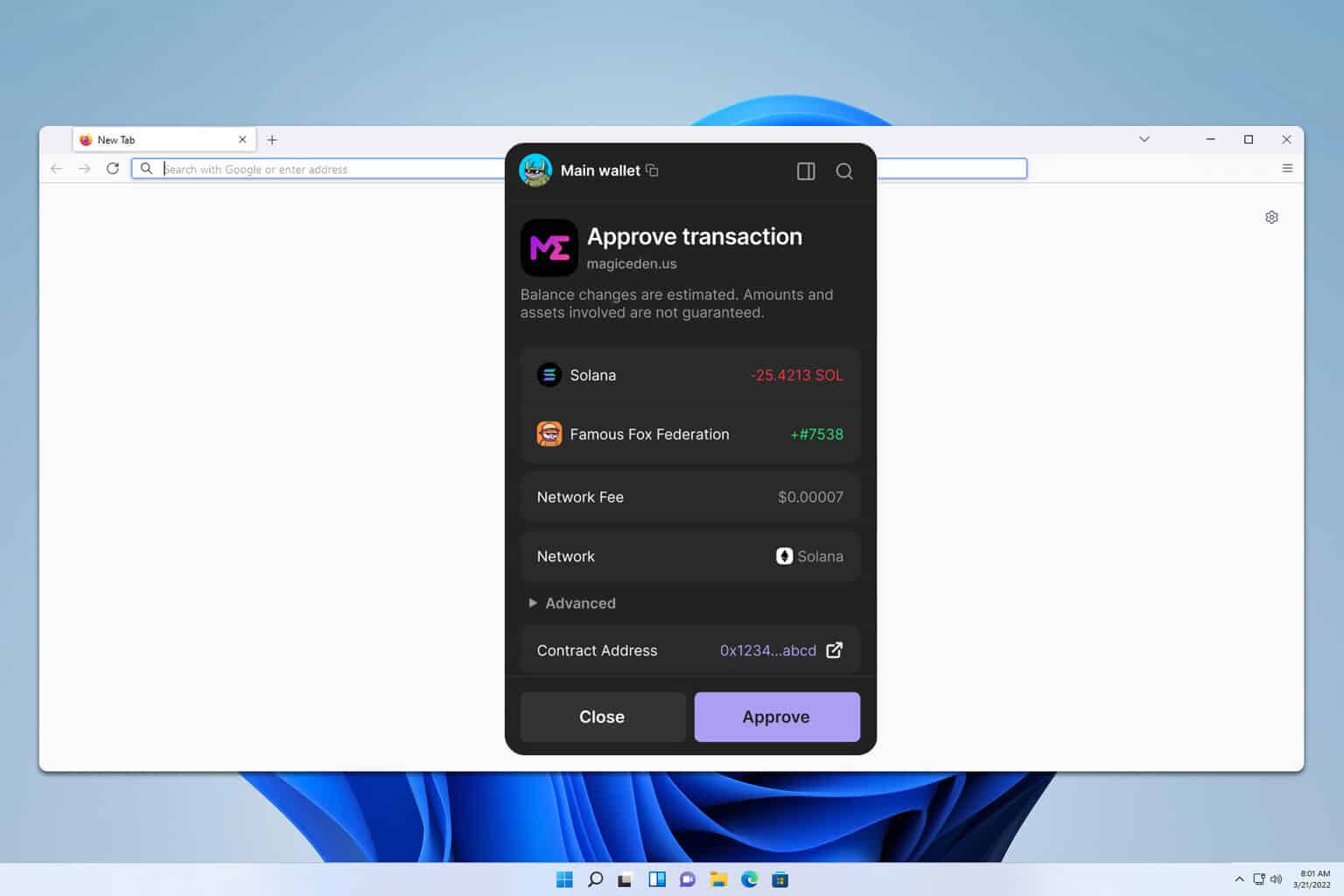
Another practical habit: when you sign transactions, read the transaction details. Yes, it’s tedious. But if a contract is asking permission to transfer all tokens from your wallet and you think you're just approving a tiny swap, that mismatch is how NFTs and tokens get drained. Reading the destination address, the function name, and the token amounts (or at least glancing) has saved me twice now.
On the question of custody: self-custody is empowering but it's responsibility-heavy. If you keep assets in a custodial exchange for convenience, recognize the trade-offs. If you self-custody, consider multisig for larger amounts, and split holdings across wallets so you don't put all your funds at risk from a single mistake. I've done both; multisig feels slow at first but it scales into peace of mind.
FAQ
Is Phantom safe to use?
Relatively, yes—if you follow security best practices: download from verified sources, use hardware wallets for large amounts, never share your seed, and review transaction permissions carefully. On the flip side, no software is perfect, so assume risk and act accordingly.
Can I use Phantom with Ledger?
Yes. Connecting a Ledger to Phantom is a recommended setup for higher-value accounts because it keeps private keys on the device. It adds steps to signing transactions but the security trade-off is worth it for many users.
What about phishing and fake extensions?
Phishing is the most common threat. Always verify the extension publisher, check reviews and install counts, and confirm the official website or social channels before downloading. If something asks for your secret phrase or urges immediate action, treat it as suspicious.
Okay, to wrap this up my feelings have shifted—curiosity at the start, cautious respect now. I'm optimistic about the Solana ecosystem because tooling is getting better, though there are rough edges. I'll say it again: pause before you install, use hardware for serious balances, and be skeptical of one-click approvals. Life in crypto rewards patience, not haste, and that little habit of double-checking has saved me from messy mistakes more than once.
הוספת תגובה
עליך להיות מחובר כדי להוסיף תגובה לעמוד